What Should Freshers Prioritise First for IT Placements?
Introduction
As a fresher, it’s normal to feel overwhelmed. One person says “DSA is everything.” Another says “Projects matter most.” Someone else says “Aptitude decides placements.” In India’s hiring market, competition is real—graduate employability is reported around 54.81% in the India Skills Report 2025, which means many candidates are competing and small improvements matter.
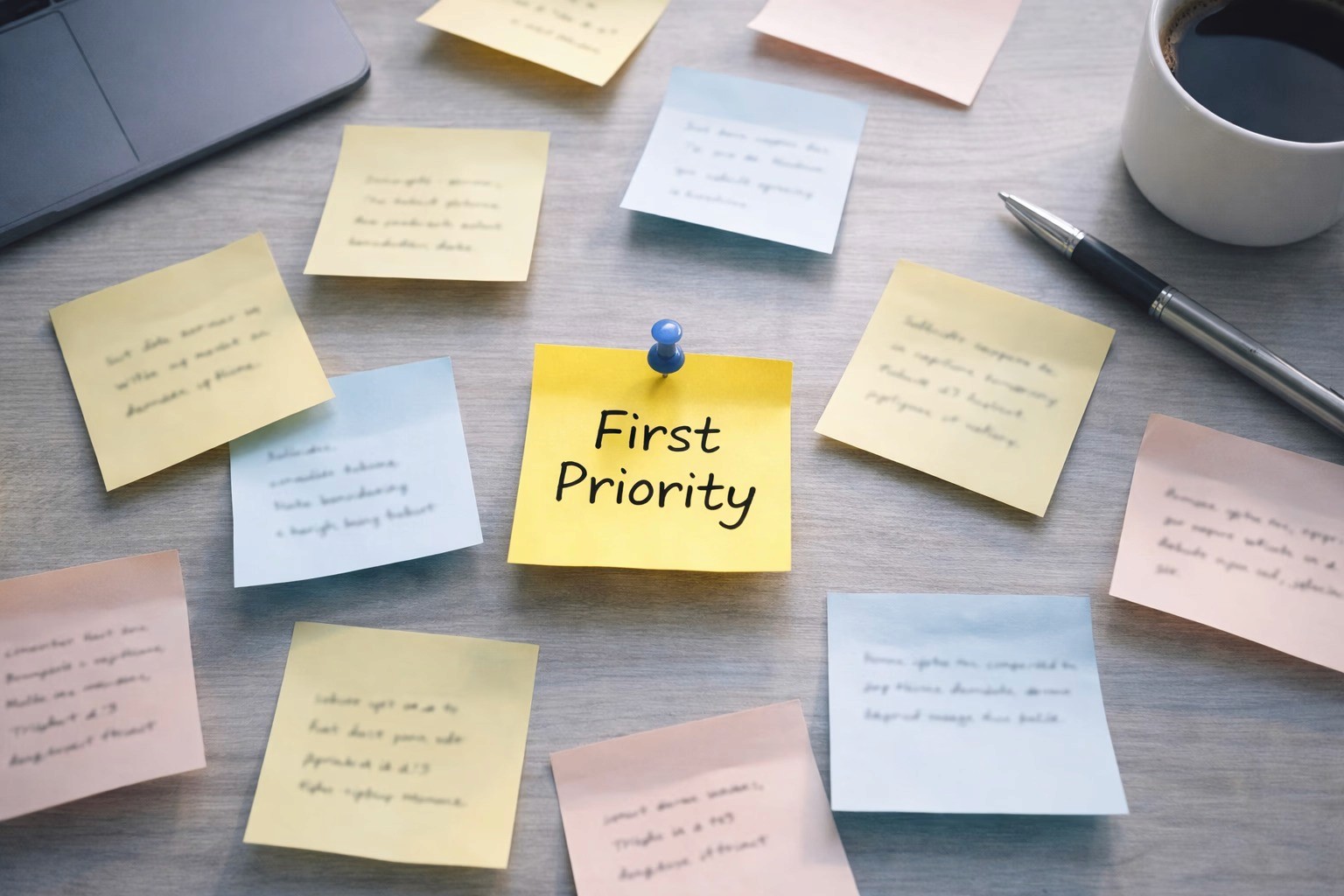
When everything feels important, the solution is not doing more. It’s choosing the right order.
The real problem: you’re trying to prepare for every company at once
Service companies, product companies, and startups do not test freshers in the same way. But they overlap on a few core signals: clear thinking, strong basics, and the ability to communicate and learn. Employer surveys consistently rate competencies like communication, teamwork, and critical/analytical thinking very highly.
So your focus should start with what benefits you across all hiring processes.
The 3-level priority framework for freshers
Level 1: Build “Interview-Safe Fundamentals” first
Before adding advanced topics, lock these basics:
One programming language basics (logic, functions, OOP basics if needed)
Basic data handling + debugging mindset
SQL basics (SELECT, JOIN, WHERE, GROUP BY) if your roles require it
Basic API understanding (request/response, status codes)
Why this comes first: in interviews, weak fundamentals get exposed fast. Strong basics raise your hit rate across tests and interviews.
Level 2: One solid project (not five half projects)
If you’re confused between building more projects vs learning more topics, start here: one complete project you can explain confidently.
Your project should prove:
you can build end-to-end
you can debug
you can explain decisions clearly
you can show output
Keep it simple and finished: CRUD + validations + basic deployment/documentation beats “big idea, unfinished execution.”
Level 3: Communication + reasoning (the multiplier)
This is where many freshers lose even after good preparation. Hiring trends repeatedly show communication as a top skill employers look for, and problem-solving/critical thinking stays consistently high in employer expectations.
What to practice (simple, practical):
Explaining about the problem before coding is best practice
Think aloud when stuck (so interviewers can score your logic).
Use honest confidence: “I haven’t used this yet, but here’s how I’d approach it.”
This doesn’t replace skills. It makes your skills visible.
If you have only 2 hours/day, focus like this
60 minutes: Fundamentals + problem-solving (small set of questions, deep thinking)
45 minutes: Project work (feature, bug fix, refactor, README)
15 minutes: Speak practice (explain one concept + one project part out loud)
This balance builds knowledge + proof + confidence together.

Quick checklist: what to ignore (for now)
To reduce overload, postpone these until your basics + one project are strong:
Too many frameworks at once
Advanced DSA if you’re still shaky on basic logic
10 certificates with no hands-on proof
Random “latest tech” without interview value
The World Economic Forum’s skills discussions consistently highlight analytical thinking and learning agility as valuable—so depth and problem-solving habits matter more than chasing endless topics.
Conclusion
When everything feels important, don’t try to do everything. Start with what gives the highest return: strong fundamentals, one complete project, and clear communication + reasoning. These three make you “low risk” to hire and keep you ready across campus drives, pool campus, and off-campus interviews.
Join WhatsApp Groups for Updates
Group 1: CLICK HERE> https://chat.whatsapp.com/KAXuSLpag96DcdMDsphFrO
📢 Don’t forget to forward this message to your friends and help them kick-start their careers